
The fastest way to kill a good idea is to keep it abstract. Generative AI is useful because it forces ideas into specific images: a composition, a palette, a lighting choice, a camera distance. Not final art. Not “replace the artist.” Just a high-speed sketchpad you can iterate on until you have a direction worth executing.
This article is about practical visual ideation: comic cover exploration, storyboard frames, and concept variations, plus what to do when the output is close but not usable.
Here are a few examples of how generative AI platforms such as the LetsEnhance Image Generator, bolster the brainstorming and ideation process of various specialists in need of a little inspiration.
Generating visuals references for comic book covers
Artists commonly use references to fuel their imagination while creating something new themselves. These references can either be real-world objects and scenes, or, more commonly, other pieces of art.
But let’s say a comic book artist, thinking of ideas for a comic book cover, has trouble finding the right visual guide or inspiration. Generative AI is the next best solution.
Text Prompt: Illustration of, Sketch of a man, noir city, comic book cover, Highly Detailed, Overhead view, Post-Apocalyptic style, cool colors
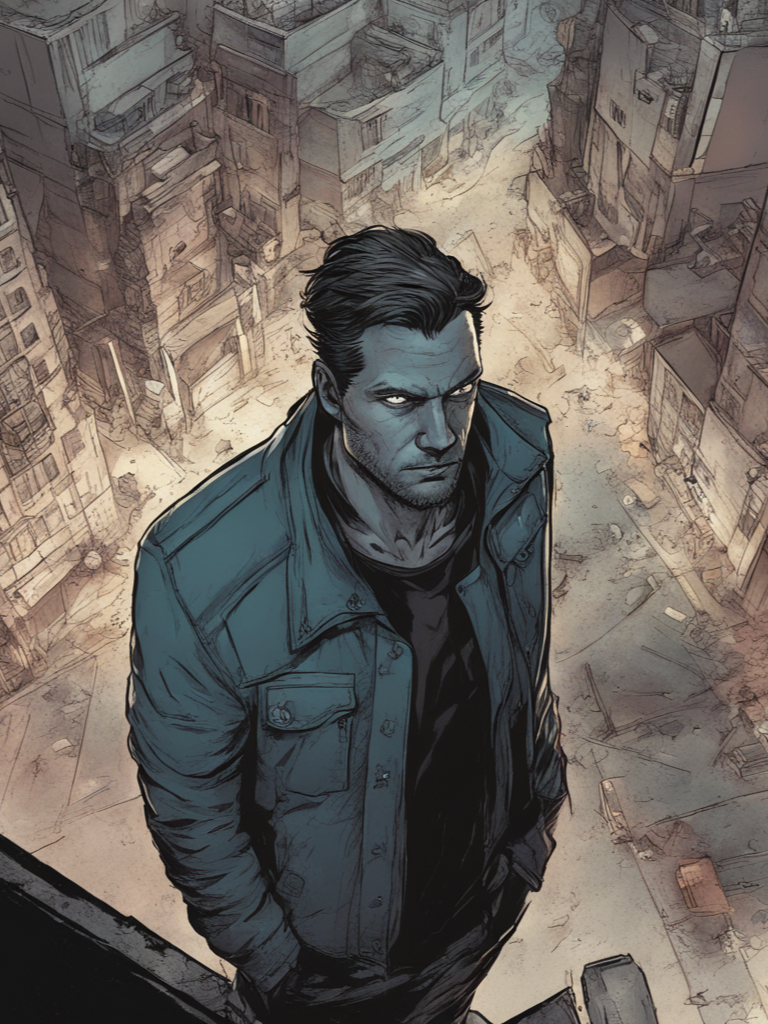
Here's a quick mock-up of a generic comic book cover that the Let's Enhance Image Generator was able to create. This prompt didn't use any specific keywords, however, simply using the prompts "noir city" and "comic book cover", the platform was able to render a solid visual reference for an artist who may be interested in drawing a similar cover.
Text Prompt: Illustration of, Sketch of a man, angry superhero in the ocean, comic book cover, Highly Detailed, Front view, warm colors
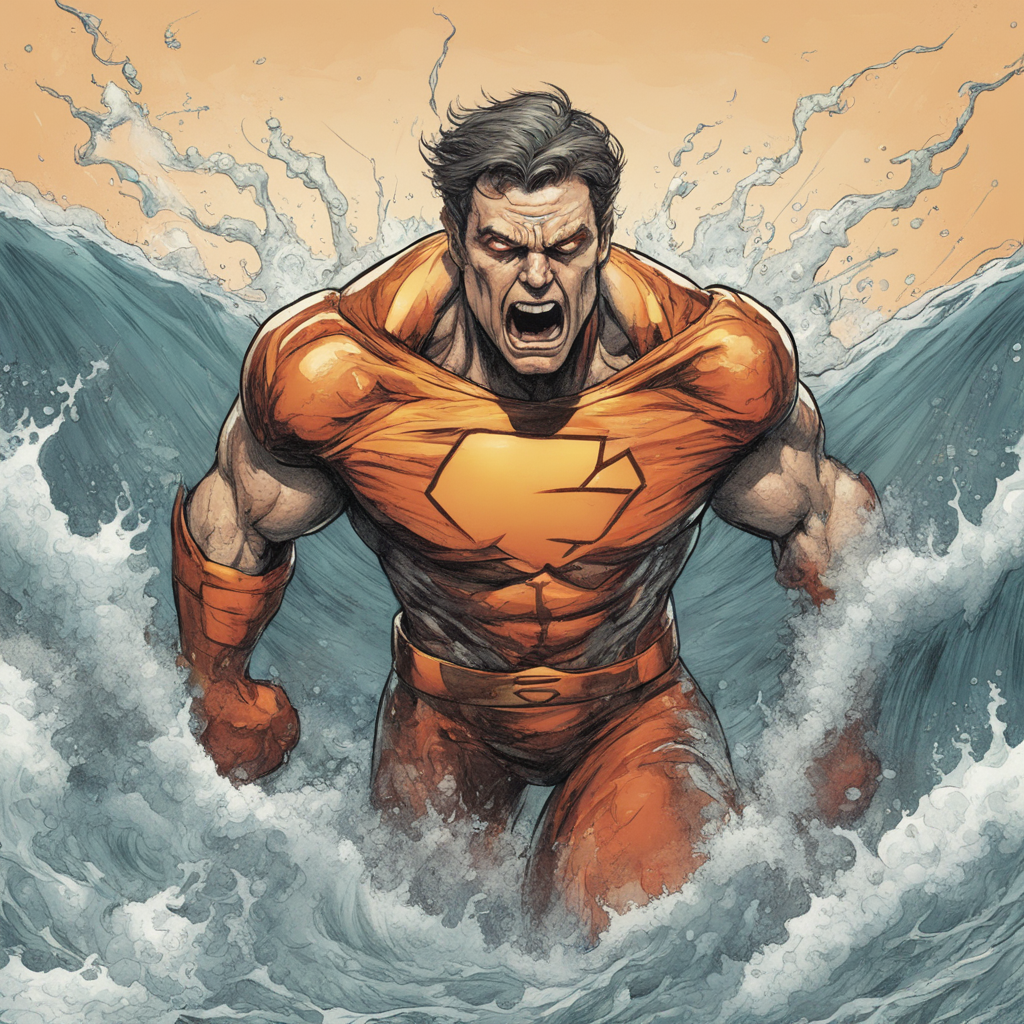
This time, the prompt was changed to "angry superhero in the ocean", with the addition of warmer colors. Though the design still looks distinctly like a comic book, the overall visual style, including color scheme and framing are way different.
Text prompt: Illustration of of a man, two gladiators fighting, comic book cover, Highly Detailed, warm colors, Cartoon style, Post-Apocalyptic style, Side view
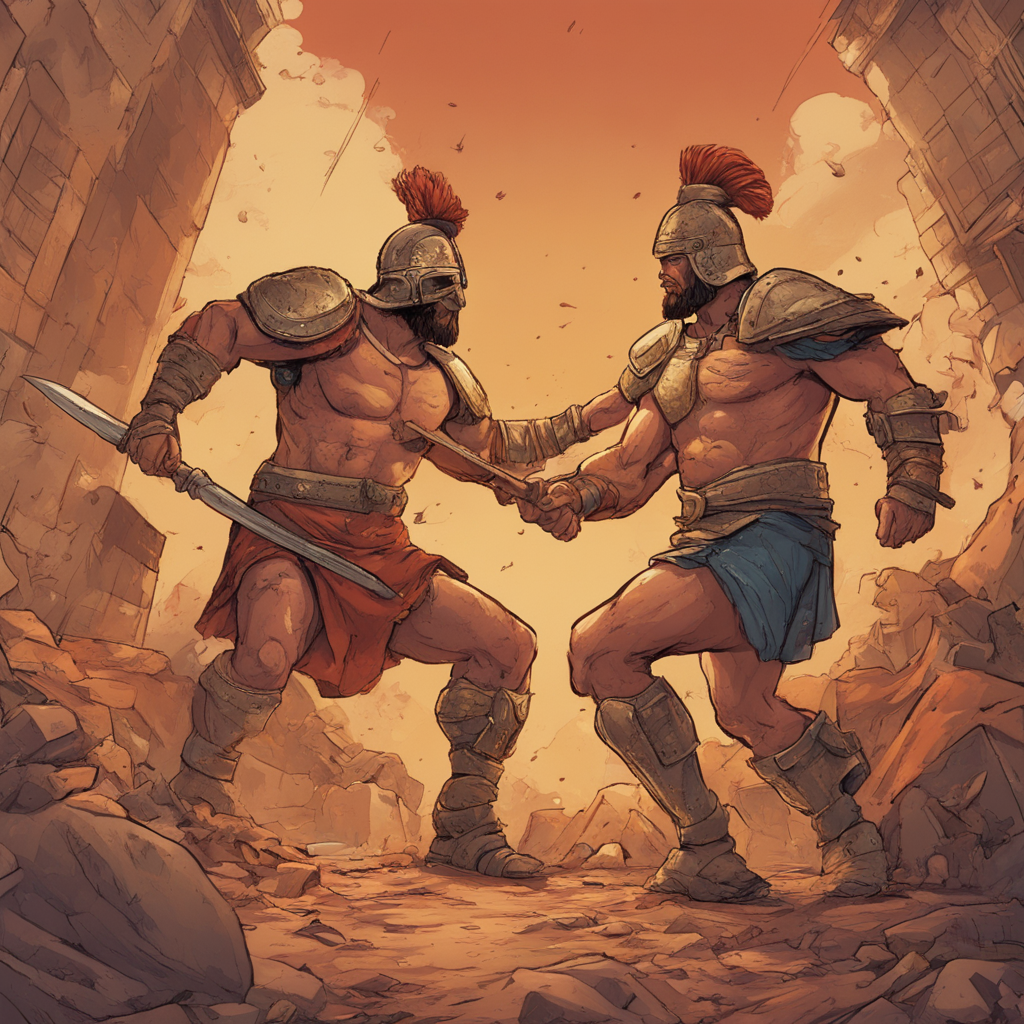
And finally, here's another example of a comic book cover that can be generated with AI, but this time from a slightly lower angle, as well as two subjects. These types of references can work really well for comic covers that depict more action, as well as a hero-versus-villain motif.
Using the LetsEnhance Image Generator, comic book artists can create unique visual references to help them brainstorm new covers, as well as pages and panels. You only need to write AI image prompts to describe your vision and the software will handle the rest.
If you need small fixes for your generations, such as removing distracting objects, adjusting background tone, correcting color balance, tightening the crop, or making the subject pop, LetsEnhance's Image Chat Editor will be useful. It lets you to make any change just by writing simple prompts.
Storyboarding film shots with AI images
Storyboarding movies is one of the most important tasks when creating a film. These are very basic illustrations of various scenes and how they will be shot that directors and cinematographers use to plan out films in advance.
An example of what a basic storyboard looks like.
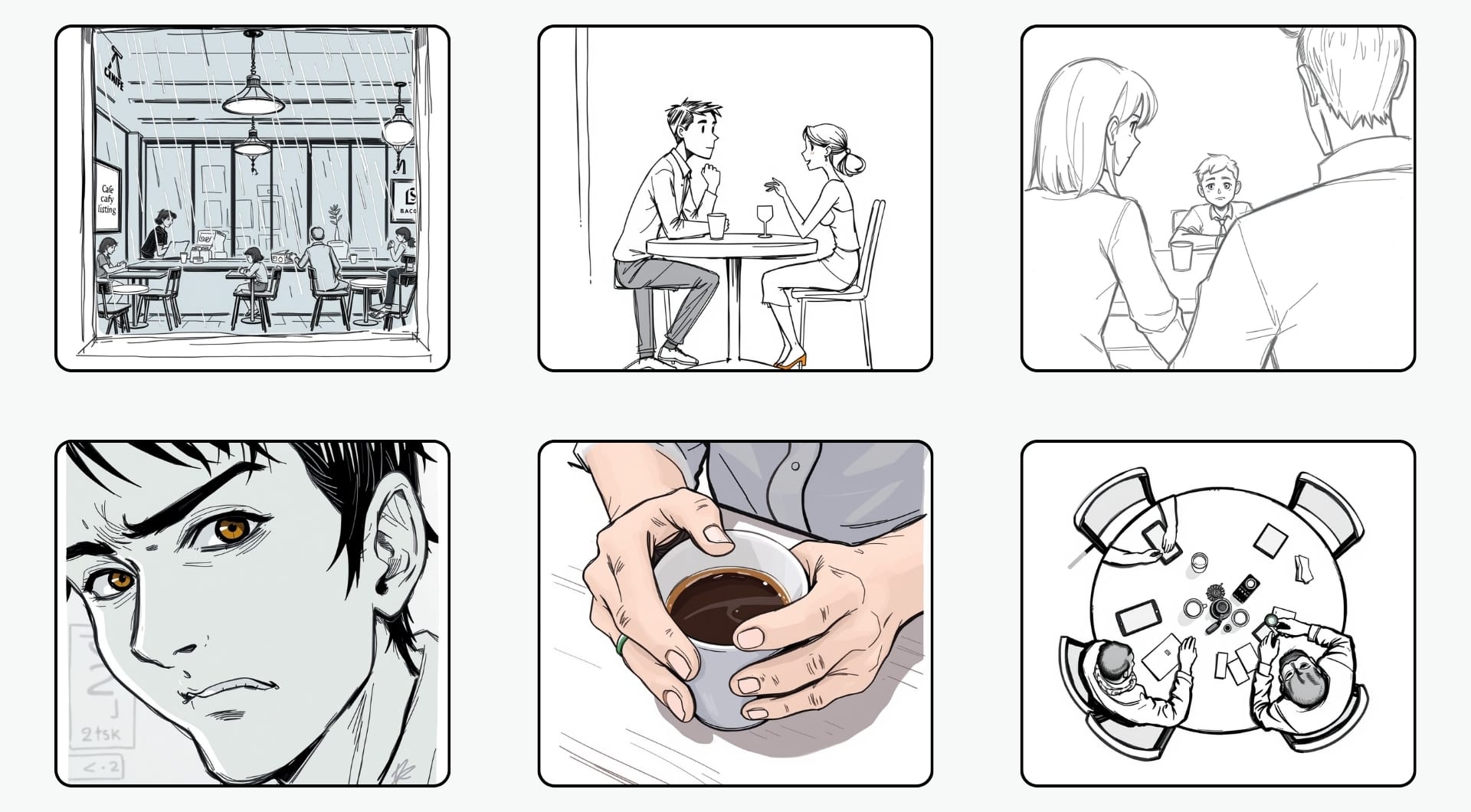
Storyboarding doesn’t require much talent in drawing as the illustrations are very basic and are used to give the cinematographer a general idea of how the shot should look like. However, with the help of generative AI, filmmakers can create detailed storyboards that are not limited by their ability to draw.
For example, here’s a sketch for a storyboard where a couple is sitting at a cafe.
Text Prompt: Illustration of, Sketch, b&w, Side view, Minimal style of a couple sitting at a cafe, seen from a window, medium shot.
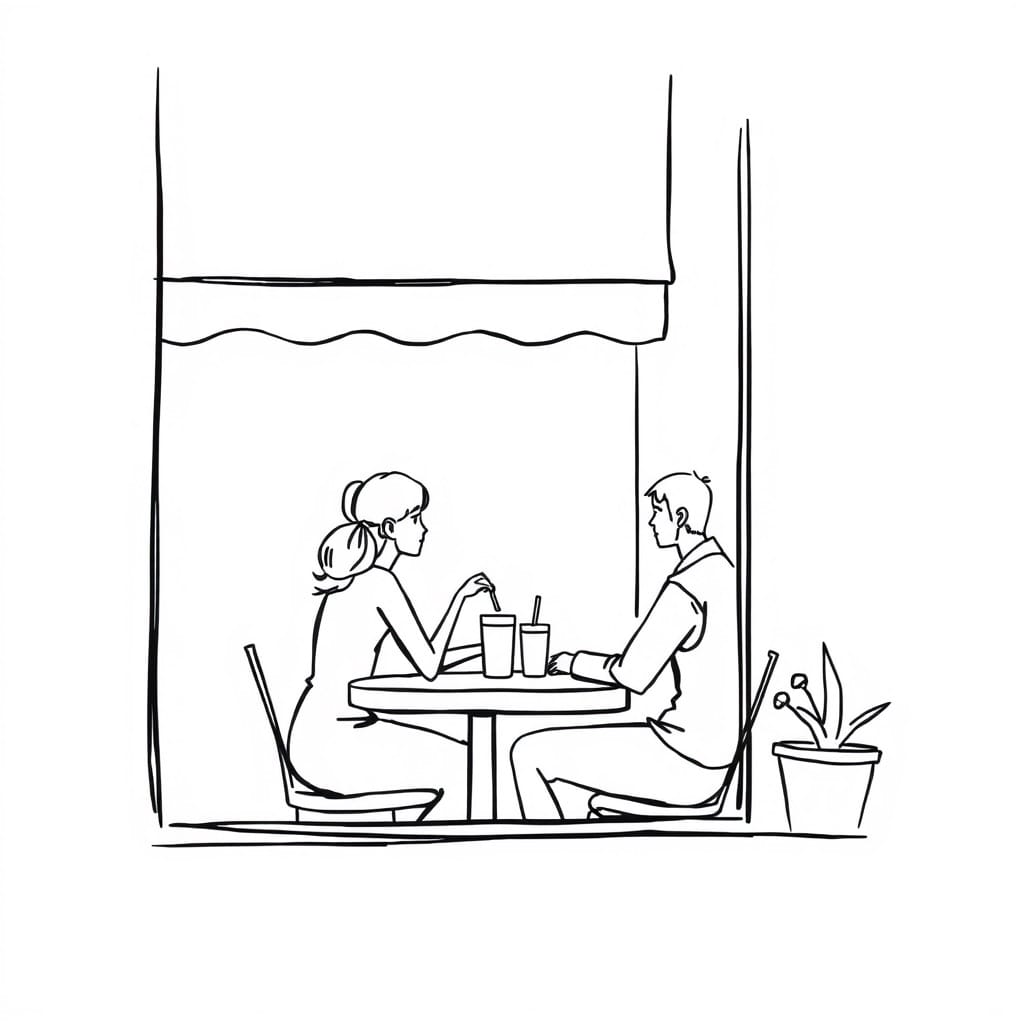
Though minimal, this AI-generated illustration can effectively be used as a storyboard for filming a scene in a cafe.
Text Prompt: Illustration of, Sketch, b&w, Side view, Minimal style of a couple sitting at a cafe, seen from a window, close up.
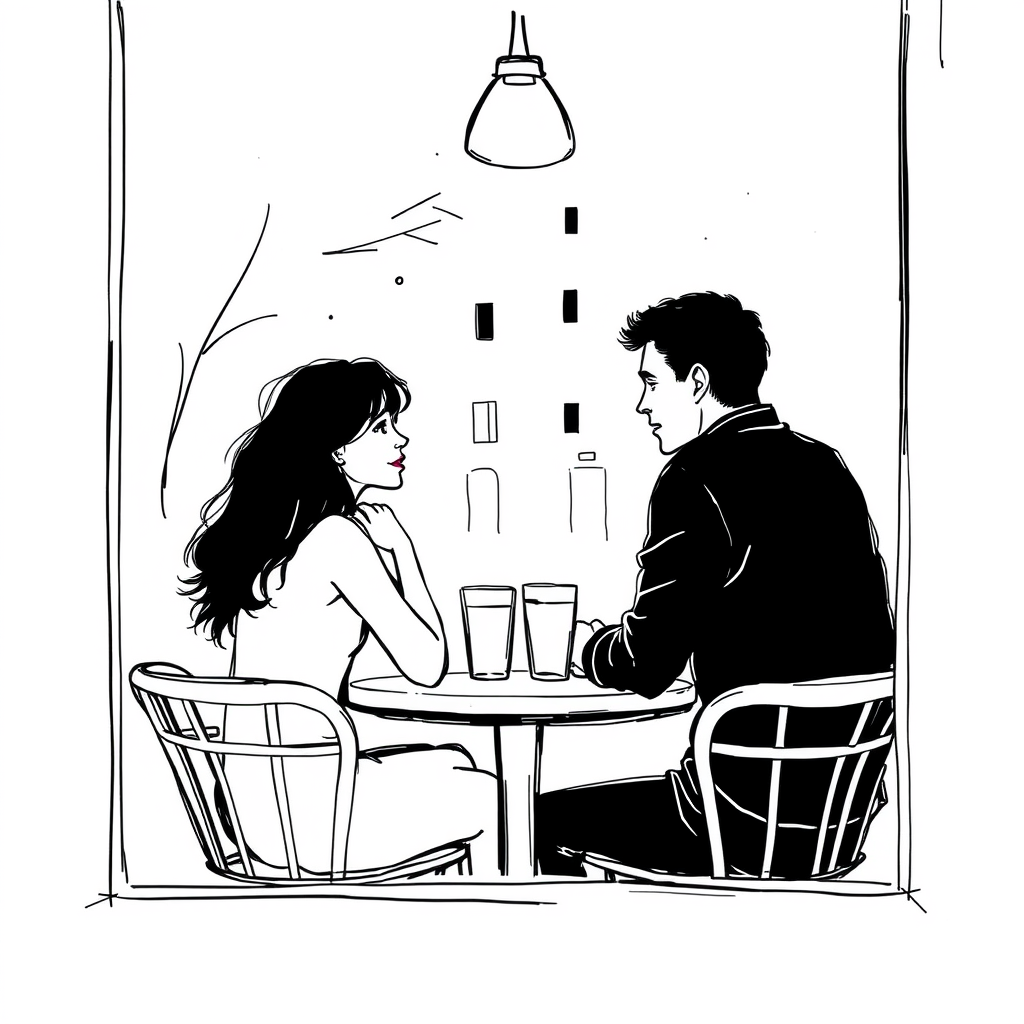
In this example, one part of the text prompt was changed from “medium shot” to “close up”, tightening the camera angle closer to the subjects in the frame.
Text prompt: Illustration of, Sketch, b&w, Minimal style of a man , a man sitting directly in the front across a table, Front view.
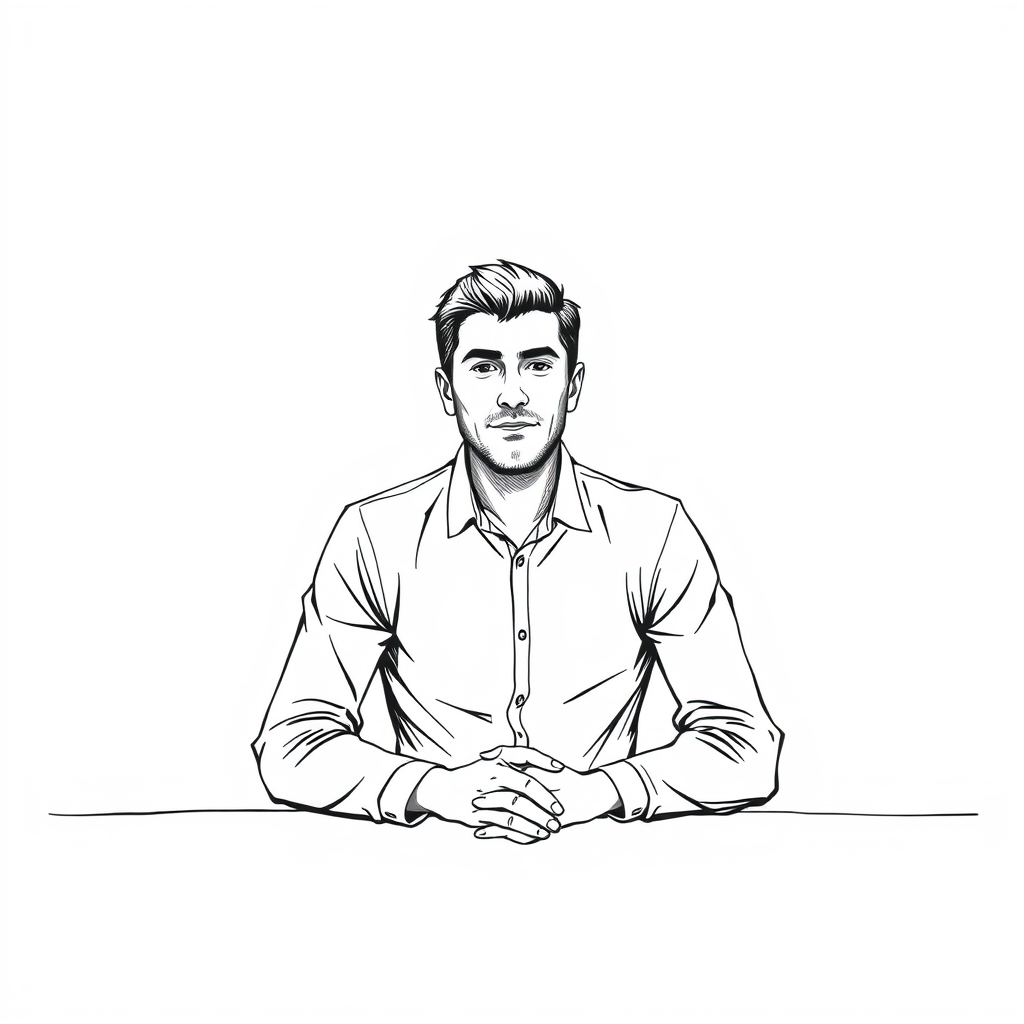
And now let’s finish up with a close-up front shot of a man sitting across from a table. This framing can be used for the most intimate shots in a film and generative AI makes it easy to create mockups of the shot for storyboarding.
So with just a few text prompts that take just a few seconds to render, filmmakers can easily storyboard an entire scene in just a few minutes. And with the many additional functions that AI image generation offers, such as lighting and mood adjustments, cinematographers can nail their storyboards without having to lift a single pencil.
From storyboards to animatics with image to video
Static frames are good for composition and blocking. Motion is good for pacing, emphasis, and whether the idea actually reads when it moves. Once you have a few strong storyboard frames, image to video lets you turn key panels into short clips so you can sanity-check the flow of a scene.
This is not about producing final footage. It’s about answering practical questions early: does the camera move feel right, does the reveal land, does the mood hold across cuts?
Animation of a storyboard frame of a couple at a cafe, side view
Brainstorming visuals, without breaking pencils
With LetsEnhance, you can move from a vague idea to something you can actually evaluate: generate concept frames from text, make small changes with the Chat Editor, then animate for pitch decks or print.
Create an account to get 10 free credits and test the full workflow on your own prompts. (Note: image to video is available on paid plans only.)
FAQ
How do you use AI for brainstorming?
AI is a very versatile tool. And when it comes to visual brainstorming, it can really help artists overcome their creative blocks. For example, if a comic book artist cannot find an accurate reference for a new panel or cover, they can generate one with AI to understand approximately how their idea will look on paper before proceeding with it.
Can I use AI to create a book cover?
Yes, using AI to create artwork is quite common now, though its usage depends on what your comic readers will expect. In any case, AI will not entirely replace the craft of creating comic book covers, since artists will always be needed to come up with the idea for the cover, as well as its color palette, mood, framing, and other important aspects of its composition.
What is the AI tool for creating storyboards?
So long as an AI image generator understands film framing text prompts, such as "close-up" or "over the shoulder shot", it can be used as a storyboard tool. The Let's Enhance Image Generator, for example, can render tons of framing styles, allowing filmmakers to quickly visualize their film's cinematography and shot composition.
How do i keep characters consistent across multiple storyboard frames?
Write a short “character spec” and reuse it in every prompt: age range, hairstyle, clothing, defining features, and mood. Change only shot language between frames. Consistency comes from reducing variables.
Can i turn storyboard frames into short video tests?
Yes. LetsEnhance offers Image to video that's useful for animatics and motion checks: pacing, camera movement, and whether the scene reads as intended before you spend time on production-level work.
